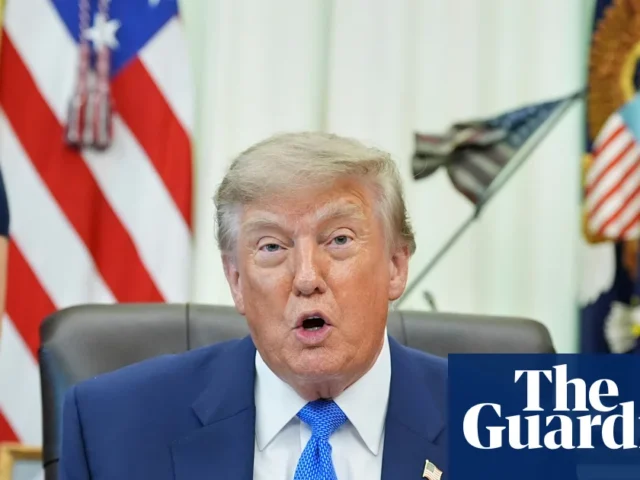

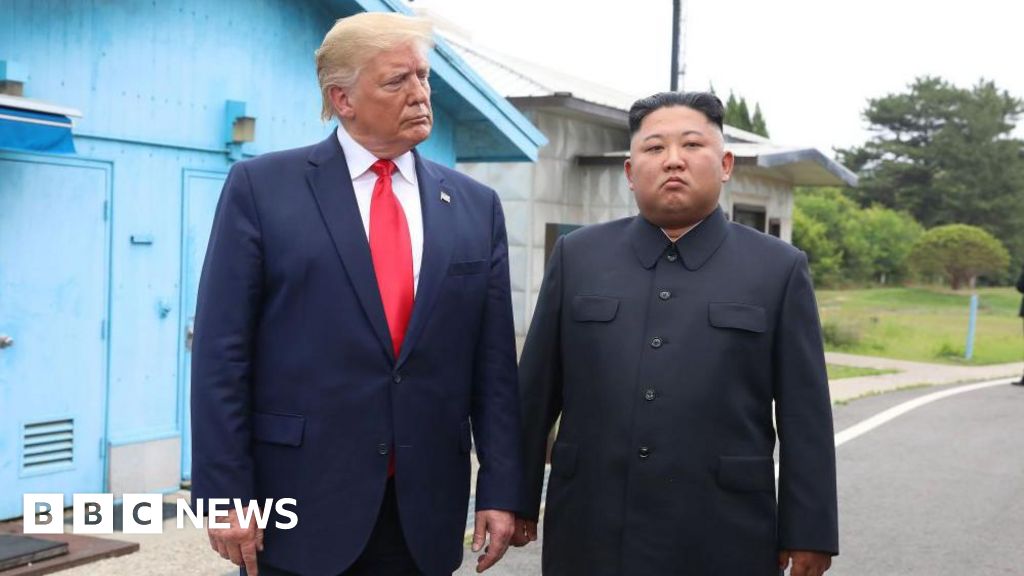
President Donald Trump announced over the weekend that the United States will substantially reduce its joint military exercises with South Korea, linking the decision to both his friendship with Kim Jong Un and a disagreement over Middle East policy. In a series of posts on Truth Social, Trump argued that these maneuvers are overly expensive for the American taxpayer and send an inappropriately hostile signal to North Korea. While acknowledging it was too late to cancel the upcoming annual drills starting Monday, he made it clear that future operations would be scaled back.
Adding a layer of geopolitical tension to the announcement, Trump revealed that he had asked South Korean leadership to assist in the denuclearization of Iran, a request they reportedly declined. Though he admitted the two issues were somewhat unrelated, the timing suggests frustration within the White House regarding how much support U.S. allies provide in global conflicts. This sentiment echoes previous complaints from Trump regarding the financial burden of maintaining roughly 28,500 American troops on the peninsula and his belief that Washington provides security without receiving enough in return.
Officials in Seoul have attempted to maintain stability despite the sudden shift, stating that current drills will proceed as scheduled. However, defense experts warn that reducing these exercises could severely undermine regional deterrence and damage alliance coordination just as North Korea accelerates its missile program and deploys troops to aid Russia in Ukraine. Professor Leif Eric Easley of Ewha University suggested that any marginal cost savings would be far outweighed by the risk of weakening South Korea’s readiness and overall security posture in Asia.
For South Korea, the development presents a complex diplomatic puzzle. While some officials hope Trump’s willingness to prioritize ties with Kim Jong Un might restart stalled peace talks, others worry about the unpredictability of a partnership where military cooperation is used as leverage for concessions elsewhere. The situation remains tense as Pyongyang continues to condemn such drills as rehearsals for war, even as Seoul seeks ways to appease Washington through massive economic investments in the United States.